Are Buyers Falling Out of Love With the Renovation Project?
For me, there has always been a certain romance attached to buying a property with “potential”.
The slightly tired house in the right location. The stunning period property that just needs bringing back to life. The home where you can see what it could be, even if it isn't quite there yet.
But are today's buyers becoming less willing to buy potential and more willing to pay for certainty?
It was something I found myself thinking about recently after reading an interesting article in the Financial Times looking at the changing appetite for listed properties and renovation projects.
The FT reports that average agreed prices for country houses have fallen 17.2% since their 2022 peak, while listed homes are now taking an average of 94 days to sell - around 30 days longer than non-listed properties.
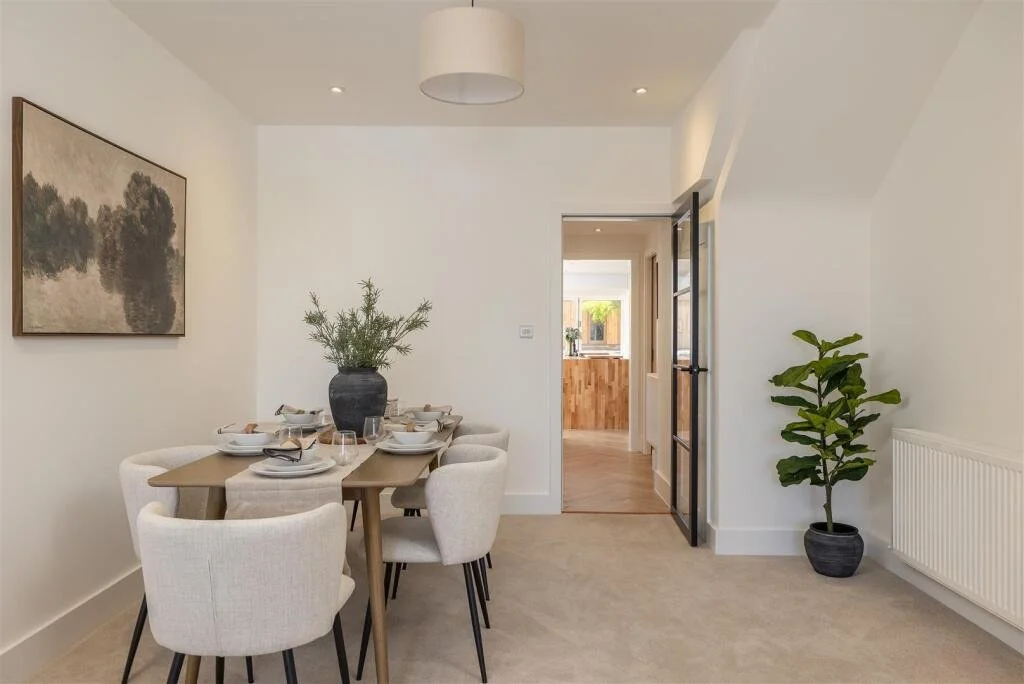
There are obviously additional considerations with listed and older buildings, from consent and planning restrictions to specialist maintenance. But one point in the article particularly stood out: buyers are increasingly conscious of running costs, repairs and renovation costs, with a growing appetite for homes that feel more “turnkey”.
And when you look at further buyer research, this does seem to be part of a wider behavioural trend.
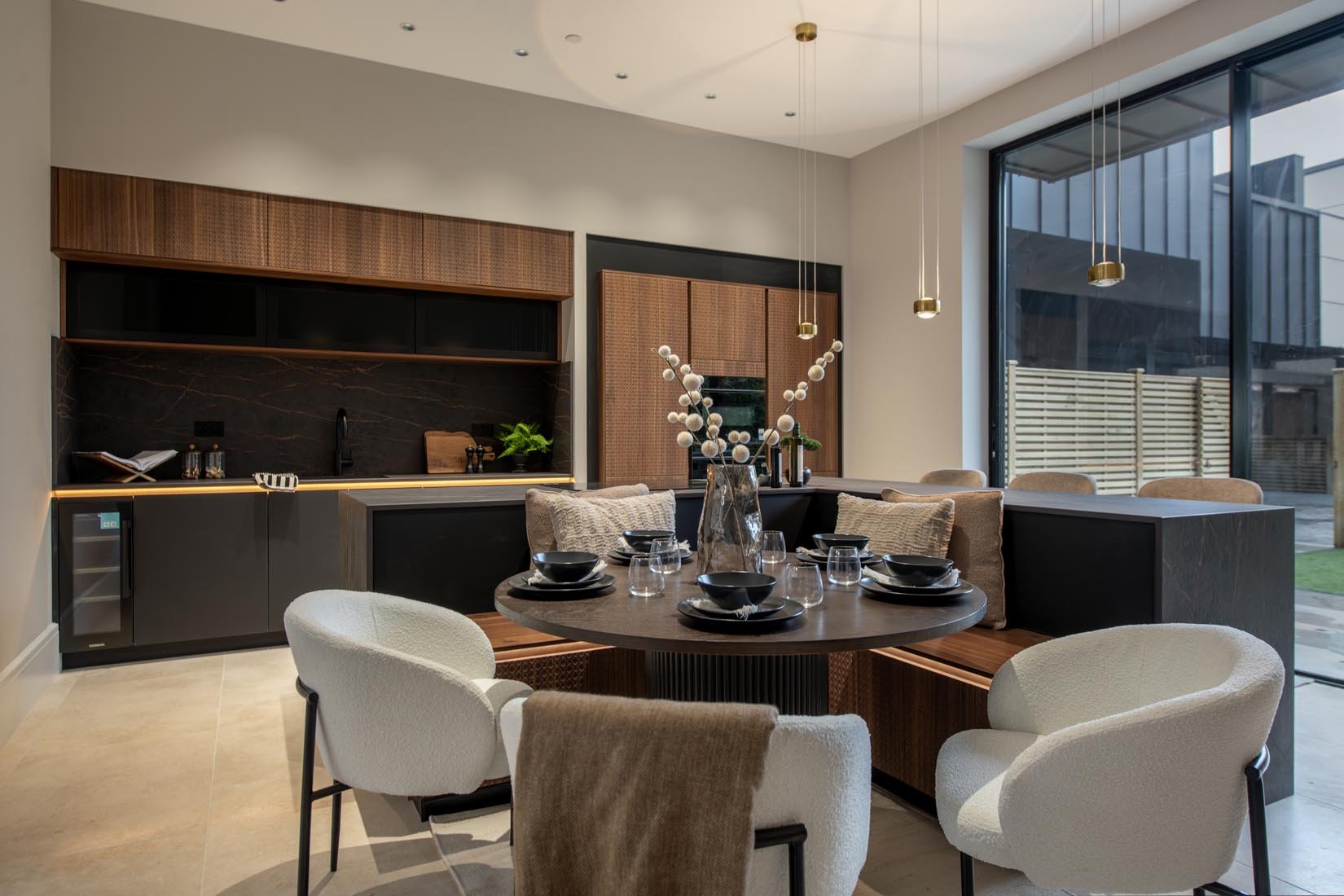
A recent survey of almost 1,100 people who had bought a home within the previous year found that 54% were prepared to undertake only minor cosmetic updates, while a further 23% wanted a fully modernised, turnkey property requiring no work at all. Just 3% said they were actively looking for a full renovation project.
Why?
The disruption of renovating was one of the biggest concerns, alongside wanting to move quickly, lack of time and simply not having the skills or experience to tackle the work.
It makes me think - perhaps buyers aren't losing their imagination, they're just becoming more conscious of risk and the unknown.
Renovating is expensive. Materials, labour, borrowing and the general cost of living have all changed the game in the last few years. And when household budgets are already stretched, there's far less margin for getting those calculations wrong.
What looks like a manageable project at the point of purchase can feel very different once the true cost of the work becomes clear.
So perhaps the question buyers increasingly ask isn't simply:
“What could this house become?”
It's:
“How much money, time and disruption will it take me to get it there?”
And I think that's an important distinction for sellers in a difficult economy.
“They'll see the potential” can be a dangerous assumption
We hear variations of this surprisingly often.
Buyers will understand how big the room is. They'll realise the empty space could become a dining area. They'll see past the decor. They'll understand what could be done with that awkward room.
Some buyers absolutely will. But asking a buyer to use their imagination is still asking them to do some of the work.
If today's buyer is more cautious about taking on a project, making the potential of a property immediately understandable becomes even more important.
This is where thoughtful property presentation can make a real difference.
Not by disguising problems or pretending a property doesn't require work when it does. And certainly not by turning a genuine renovation project into something it isn't.
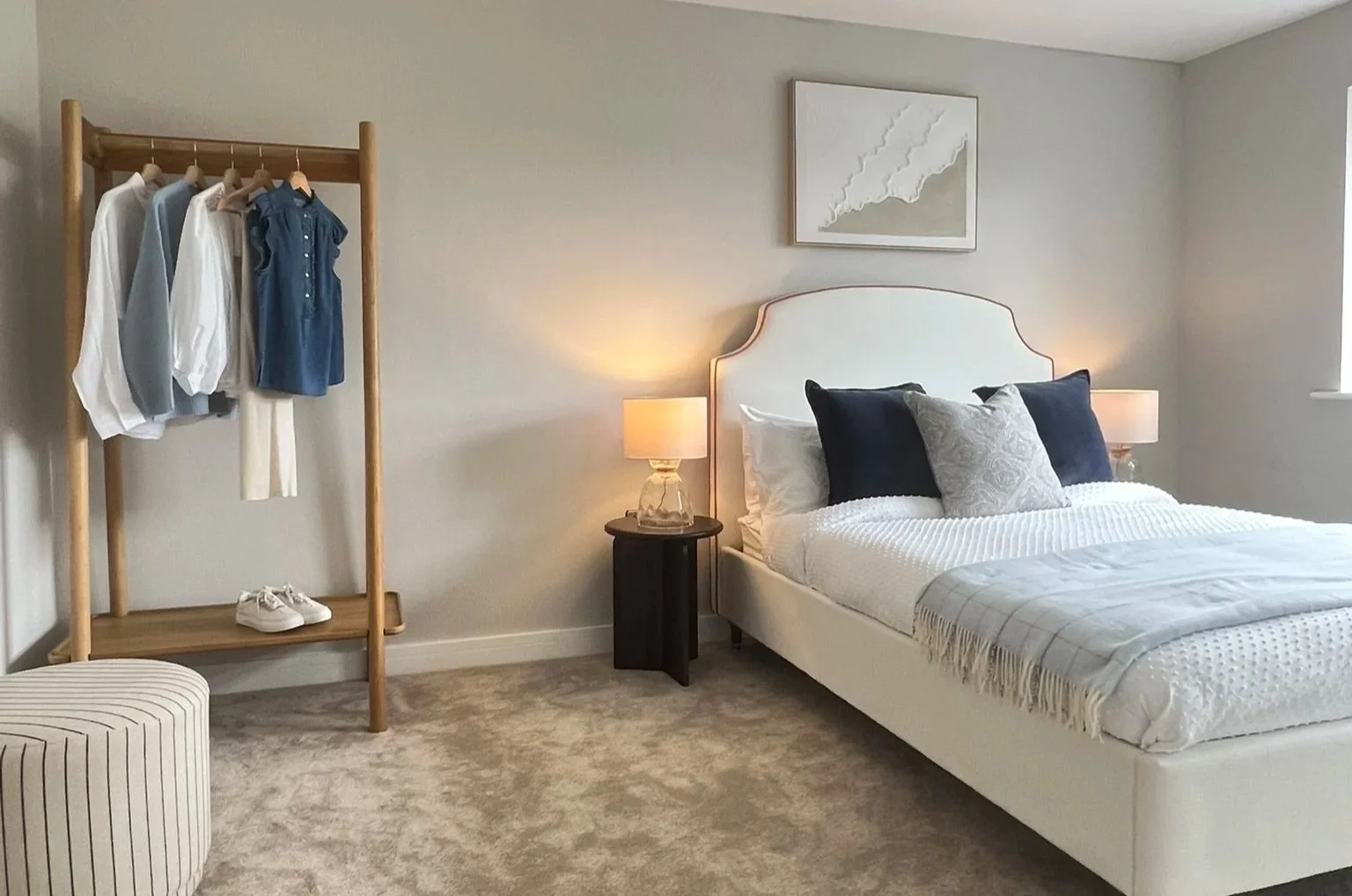
But there can be a big difference between telling buyers a property has potential and actually showing them.
Sometimes that means looking at what can be revealed rather than what needs to be added. Lifting a tired carpet to uncover original floorboards. Removing a board from a fireplace and making a feature of what's behind it. Stripping back dated or unnecessary elements that distract from the bones of the property.
You’re not trying to hide the work. You’re selling the reason it could be worth doing.
There will always be buyers who want a project
And it's important to say that. I know I will - it’s like an addiction!
There are also plenty of buyers, particularly first-time buyers, deliberately choosing homes requiring work because it can give them access to a better location or a lower purchase price.
For the right buyer, a renovation project can still be incredibly exciting.
Buyers haven't necessarily stopped wanting potential. I think they're just becoming less comfortable with the unknown that can come with it and want a clearer idea of what it will take to realise it.
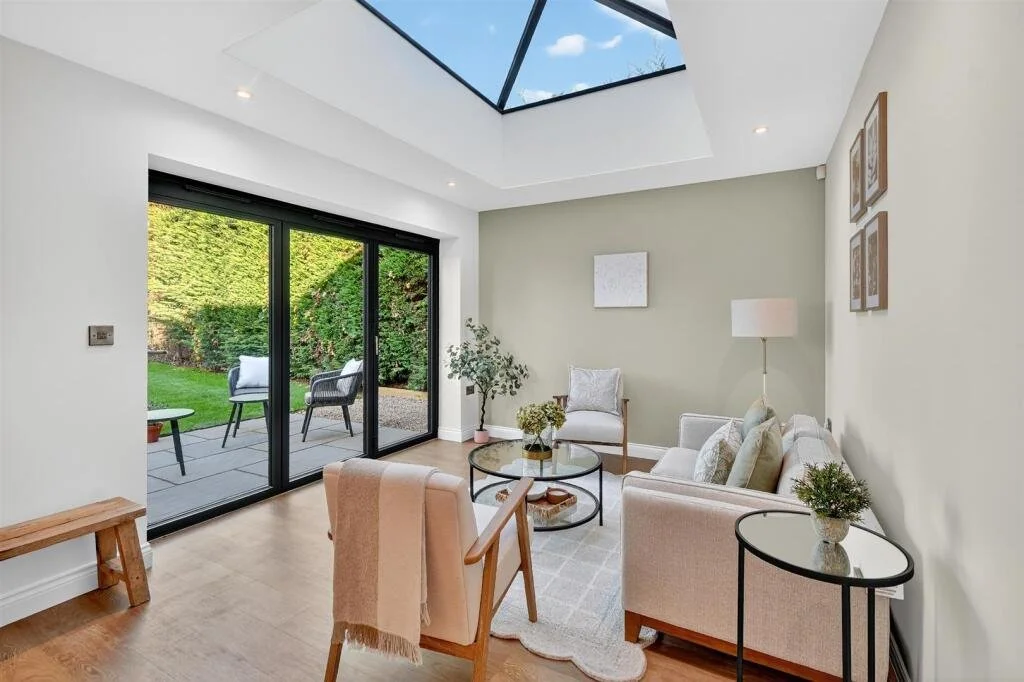
Maybe certainty is becoming part of the value
For years we've talked about adding value to property through extensions, renovations and improvements. Now I’m wondering if we need to consider the value of certainty in a house sale.
That doesn't necessarily mean a home needs to be completely renovated before it comes to market. Sometimes relatively simple improvements and thoughtful presentation can change the way a buyer understands what's already there.
Because in a market where buyers are more and more conscious of cost, time and risk, perhaps showing the potential is becoming more important than simply telling them it's there.
It's an interesting thought - and one I think we should be paying attention to.